

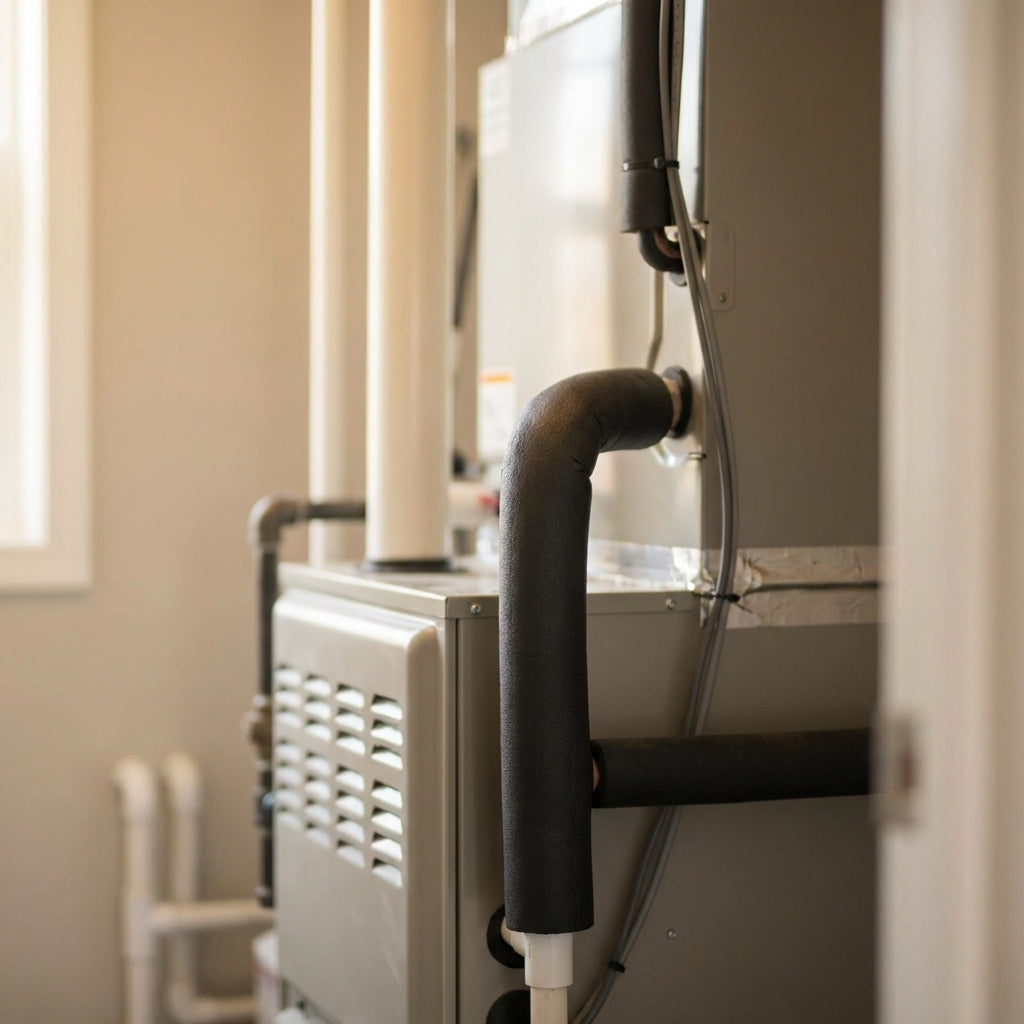
The Hidden Costs of Drain Line Neglect
Many homeowners discover their drain line problem only after water damage appears. By that point, the real costs kick in.
A single water damage claim from a clogged A/C drain line can cost between $3,000 and $15,000+ in repairs, depending on how long water sat in your walls and how far it spread. If mold develops, remediation adds another $2,000 to $6,000 or more. Your homeowner's insurance may not cover all of it, especially if the claim involves mold or if the damage was preventable through proper maintenance.
The non-financial costs matter too. Water damage means temporary displacement from your home while repairs happen. Mold exposure raises health concerns for family members with allergies or respiratory sensitivities. The stress of managing a major home emergency affects your peace of mind.
Beyond individual repairs, repeated drain line clogs force you to call HVAC technicians multiple times per year. Each service call costs $150 to $300+. Some homeowners in humid climates find themselves paying for drain cleaning every few months, adding up to $1,000+ or more annually in preventive maintenance alone.
Drain line neglect also forces your A/C system to work harder. When water backs up into your air handler, it reduces cooling efficiency and forces your system to cycle longer to reach your target temperature. This drives up energy bills and accelerates wear on compressors and other components, shortening the lifespan of a $5,000 to $8,000+ system.
Actionable takeaway: Add "drain line inspection" to your annual HVAC maintenance checklist. A $50 inspection now beats a $10,000 damage claim later.
How Smart Sensor Technology Works in Modern HVAC Systems
Smart sensor technology has transformed how homeowners monitor their homes, and HVAC systems are no exception. Modern sensors can detect water presence, flow rates, and system performance in real time without requiring manual checks.
A smart sensor placed inside or near your drain line continuously monitors for standing water or slow drainage. The sensor measures moisture levels and compares them against normal baseline data. When moisture exceeds expected thresholds, the sensor registers an alert. This happens automatically, 24/7, even when you're asleep or away from home.
The intelligence comes from how the system learns your home's normal patterns. During the first week of operation, sensors establish a baseline for your climate, your home's humidity, and your A/C usage patterns. Once the baseline is set, the system knows what "normal" looks like and can immediately flag deviations.
These sensors communicate wirelessly to a hub or cloud-based platform. All data flows securely to the manufacturer's servers, where software analyzes it for patterns and potential problems. If the system detects an anomaly, it triggers an alert before serious backup occurs, often catching problems in their earliest stages.
The beauty of this approach is simplicity. You don't think about it. The system works continuously in the background, watching your drain line so you don't have to.
Actionable takeaway: When evaluating smart HVAC monitoring, prioritize systems that establish a personalized baseline for your home rather than using generic thresholds.
Real-Time Mobile Alerts: Stay Informed Anywhere

The core benefit of smart drain monitoring is the ability to receive notifications on your smartphone the moment a problem develops. You could be at work, on vacation, or asleep when an alert arrives. Either way, you know instantly that your drain line needs attention.
These alerts work like smoke detector notifications or security system messages. The moment your sensor detects unusual moisture or slow drainage, your phone receives a push notification. The message tells you exactly what was detected and where, giving you all the information you need to decide next steps.
Real-time alerts let you act before water damage occurs. Instead of discovering a clogged drain after water has already pooled in your attic, you get notified while the problem is small. Small problems cost $50 to $150 to fix. Large problems cost thousands.
Homeowners in warm climates benefit the most from mobile alerts because their A/C systems run frequently. A house in Arizona or Florida with a clogged drain line doesn't have the luxury of discovering the problem weeks later. By then, walls and insulation are saturated. Mobile alerts compress the discovery window from weeks to minutes.
The psychological benefit matters too. Knowing your system is being monitored gives you genuine peace of mind. You're no longer wondering whether your drain line is clogged or worrying about hidden water damage in walls you can't see. The system is watching 24/7.
Actionable takeaway: Set up notifications on the devices you check most frequently. If you miss a notification, you want it visible the next time you check your phone.
Preventing Water Damage Before It Happens
Prevention is always cheaper and less disruptive than remediation. Smart monitoring shifts you from a reactive, damage-control mindset to a proactive, prevention-focused approach.
When you prevent clogs before they cause backup, you avoid the entire chain of problems. No standing water means no mold growth. No hidden moisture means no structural damage. No emergency repairs mean no stress or displacement from your home.
Preventing HVAC water damage starts with understanding your drain line's needs. In humid climates, drain lines clog faster because there's simply more water flowing through them. In coastal areas, salt spray may corrode drain components over time. In older homes, original PVC pipes may be undersized or have developed cracks.
Smart sensors help you understand your specific situation. Over time, they show you patterns. You might notice your drain line produces more water on hot, humid days. You might see increased moisture during peak cooling season. These patterns help you anticipate when your system is most vulnerable and schedule preventive maintenance accordingly.
The combination of smart monitoring plus occasional maintenance creates a robust defense. Your sensor catches early-stage problems. Planned maintenance clears minor buildup before it becomes a full clog. Together, these two approaches reduce the likelihood of costly emergency repairs.
Actionable takeaway: Review your alert history each month. Patterns often emerge that help you predict seasonal problems and plan ahead.
The Role of Automated Dispensing in Drain Maintenance
Beyond monitoring and alerts, modern drain systems include automated dispensing to actively prevent clogs from forming in the first place. This combines early detection with continuous prevention.

Automated dispensing systems release a non-corrosive, science-backed solution into your drain line on a regular schedule. The solution is designed to prevent the buildup of zooglea and other biofilm materials that cause clogs. Instead of waiting for a clog to develop and then calling a technician, you're preventing clogs continuously.
The solution used in automated systems must be safe for your plumbing and your home. It cannot corrode metal pipes or damage rubber seals. It cannot harm the environment or leave residue that creates other problems. A properly formulated solution solves the problem without creating new ones.
The dispensing happens automatically according to a preset schedule, often multiple times per week or as needed based on sensor data. You don't have to remember to pour anything or schedule service calls. The system simply works, night and day.
This approach transforms drain maintenance from something you do occasionally when problems occur to something that happens continuously in the background. It's like the difference between brushing your teeth after problems develop versus brushing twice daily to prevent problems in the first place.
Actionable takeaway: Ask about the specific solution used in any automated system. Verify it's been tested for safety with your home's plumbing materials and that it's environmentally responsible.
App-Controlled Monitoring for Complete Peace of Mind
A companion smartphone app connects you to your monitoring system and puts complete visibility and control in your hands. You can check your drain line's status anytime, review historical data, and adjust settings without needing a technician visit.
The app typically displays your current system status, recent alerts, and a timeline of activity. You can see how much water has flowed through your drain, when alerts occurred, and what actions were taken. This transparency helps you understand your system's behavior and plan maintenance accordingly.
Many modern apps let you review trends over weeks and months. You might notice that your drain line handles normal summer loads perfectly but struggles during unusually humid weeks. You can share this data with your HVAC technician during annual maintenance, allowing them to focus on the actual problem areas in your system.
Control features in the app let you adjust alert sensitivity if needed, view upcoming automated dispensing schedules, and request manual dispensing between scheduled treatments. Some systems let you share limited access with family members or technicians, making it easier to coordinate maintenance without needing to be home.
The convenience of app-based monitoring means you're more likely to actually check on your system regularly. Instead of an abstract worry about drain line problems, you have concrete data that confirms everything is working properly.
Actionable takeaway: Download the app before installation and spend five minutes exploring its features. Understanding what data you'll have access to helps you make the most of the system.
Installation and Setup Made Simple
One barrier many homeowners face when considering smart home upgrades is the complexity of installation. iFLO addresses this directly with a 15-minute tool-free installation process that requires no special skills or experience.
The system is designed for DIY installation. Most people can handle it. You won't need a technician, special tools, or days of disruption to your home. The installation takes place outside your home, typically at the condensate drain line where water exits your A/C system.
The process involves three basic steps: locating your drain line, attaching the sensor and dispensing module, and connecting to your home's WiFi network. Instructions are clearly written and include visual guides. If you have questions, customer support is available via phone or chat.
Learn how to install the system by reviewing the detailed installation guide on iFLO's website. If you prefer professional installation or feel uncomfortable working with HVAC components, professional installation is available.
After installation, setup involves downloading the app, connecting to your home WiFi, and allowing the system to establish your personalized baseline. This baseline phase takes about a week. During this time, the system learns your normal patterns and establishes alert thresholds specific to your climate and usage.
Actionable takeaway: Schedule installation during a calm week when you can spend 15 uninterrupted minutes. Have your WiFi password ready and ensure your phone has the app installed before you begin.
Long-Term Protection and System Efficiency
Beyond preventing dramatic water damage events, smart monitoring improves your A/C system's overall efficiency and lifespan. A clean drain line means your evaporator coil stays dry and functions optimally. A dry coil transfers heat more effectively, allowing your system to cool your home faster and cycle less frequently.
Less frequent cycling reduces energy consumption, lowering your monthly bills. Reduced strain minimizes repairs and extends your equipment's operational lifespan. A well-maintained drain system can add several years to your air conditioning system's life, safeguarding your substantial equipment investment.
The cumulative savings over five to ten years often exceeds the cost of the monitoring system multiple times over. You're paying for a tool that prevents thousand-dollar repairs, reduces your monthly energy consumption, and gives you invaluable peace of mind.
Regular monitoring also provides valuable documentation for your home. When you eventually sell, you can demonstrate that your A/C system and drainage have been properly maintained. This supports the home's value and gives buyers confidence that they're purchasing a well-cared-for property.
Actionable takeaway: Calculate your system's installation cost and divide it by the number of years you plan to own your home. Even conservative estimates typically show strong return on investment within two to three years.
Conclusion: Proactive Home Protection Starts Today
Water damage from clogged A/C drain lines is preventable. You don't have to accept it as an inevitable part of homeownership in a warm climate. Smart drain monitoring gives you the awareness and control to catch problems early, prevent expensive damage, and maintain your system's peak performance.
The technology is straightforward, the installation is simple, and the benefits are substantial. You'll sleep better knowing your drain line is being monitored 24/7. You'll enjoy lower energy bills from a more efficient system. You'll avoid the stress and expense of emergency repairs.
Your next step is straightforward. Locate your A/C drain line outside your home and assess its current condition. If you see standing water, slow drainage, or musty odors, problems may already be developing. Even if everything looks fine, proactive monitoring prevents future problems from catching you off guard.
Discover how iFLO's automated drain monitoring protects your home with tool-free installation and science-backed smart sensors. Take control of your home maintenance with real-time awareness and stay ahead of potential water damage before it happens.


